z25
Injection & Transfection System
The Critical Challenge: Microplastics in the Food Web
Microplastic pollution is a global crisis. These tiny particles enter the base of the aquatic food web when zooplankton inadvertently consume them. This contamination is then passed up the food chain to larger, vulnerable species like coral, causing unintentional ingestion and significant ecosystem threat.
Our innovation is focused on utilizing Hydrolase and Cutinase. Hydrolase is a specific type of enzyme that uses water to break down the chemical bonds in molecules. Some hydrolases have been specifically evolved to break down plastic. We aim to equip zooplankton eggs with the genetic instructions for this enzyme. Cutinase has a natural ability to hydrolyze the ester bonds in the biopolyester cutin which also allows it to break down synthetic polyesters, most notably Polyethylene Terephthalate (PET), the plastic commonly used in bottles and textiles.
When we have the plasmids of these enzymes put into a host bacteria, we would collect batches of zooplankton eggs and by soaking them in the bacteria, the enzymes would transfer over to the eggs, genetically modifying the zooplankton’s genes. This way, the enzymes would be able to be passed down to future generations.
By doing this, the developed zooplankton will act as tiny, living bio-degraders, breaking down ingested microplastics before they can be consumed by coral or other marine life. This intervention fortifies the ecosystem by purifying its primary consumers.
Problem Statement:
The Immediate Threat to Coral from Microplastic Contamination


The global proliferation of microplastic pollution presents a severe and immediate threat to the health and biodiversity of marine environments. This crisis is exacerbated by the efficient transfer of plastic contamination through the aquatic food web, beginning at the microscopic level.
Zooplankton, the foundational organisms of the food chain, inadvertently consume microplastic particles, which are then transmitted to sensitive, larger species, particularly coral, through the natural predatory cycle. This results in the unintentional ingestion of harmful plastic contaminants by coral, leading to biological stress, compromised development, overall ecosystem fragility, and significantly contributing to widespread coral bleaching events.
Current remediation efforts primarily focus on large-scale cleanup or source reduction, failing to provide an effective, scalable mechanism to neutralize microplastics after they have entered the biological food chain. There is an urgent need for a bio-engineered solution that can actively break down ingested plastic at the level of the primary consumer to secure the integrity and long-term viability of coral reef ecosystems and the wider marine environment.

About Us
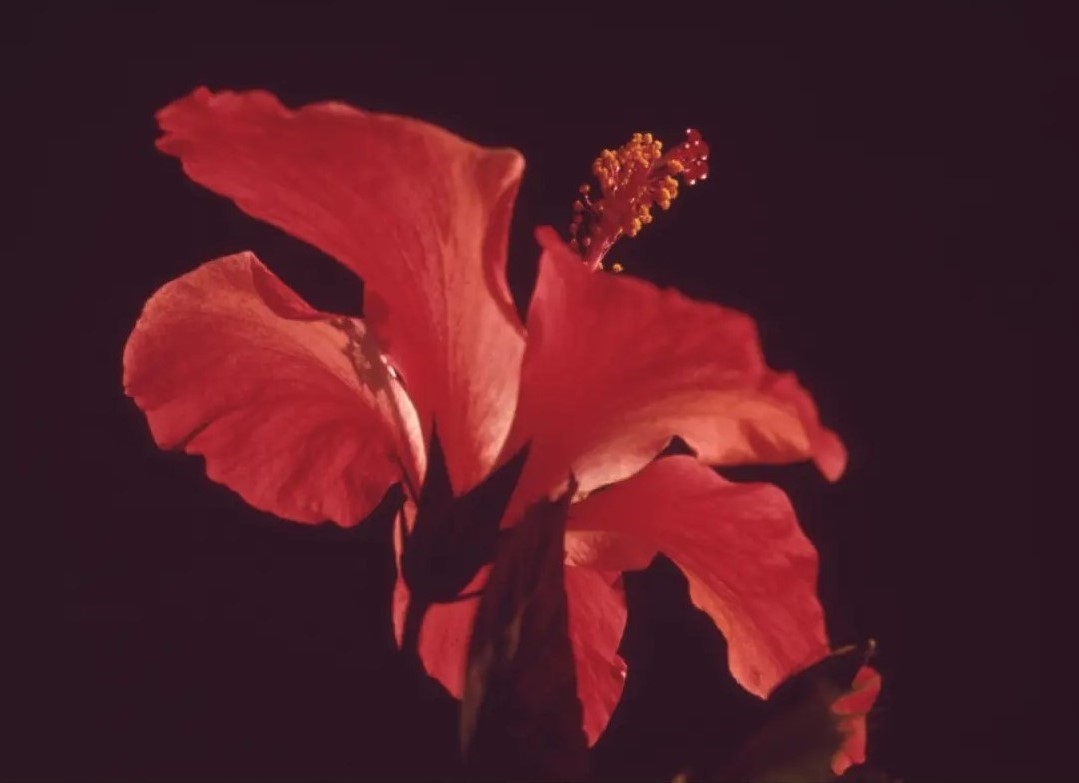
Fleurs is a flower delivery and subscription business. Based in the EU, our mission is not only to deliver stunning flower arrangements across but also foster knowledge and enthusiasm on the beautiful gift of nature: flowers.
What people are saying
Jo Mulligan“Superb product and customer service!”
Atlanta, GA

Pricing
Cancel or pause anytime.
Free
0€
- Get access to our paid articles and weekly newsletter.
- Join our IRL events.
- Get a free tote bag.
- An elegant addition of home decor collection.
- Join our forums.
Single
20€/month
- Get access to our paid articles and weekly newsletter.
- Join our IRL events.
- Get a free tote bag.
- An elegant addition of home decor collection.
- Join our forums.